Applications are now being accepted for candidates for Fellowship.
Applications are now being accepted for candidates for Fellowship.
Graduate level study that focuses on accurately assessing, diagnosing, and managing complex neuromusculoskeletal conditions.
Advanced specialized training is no different.
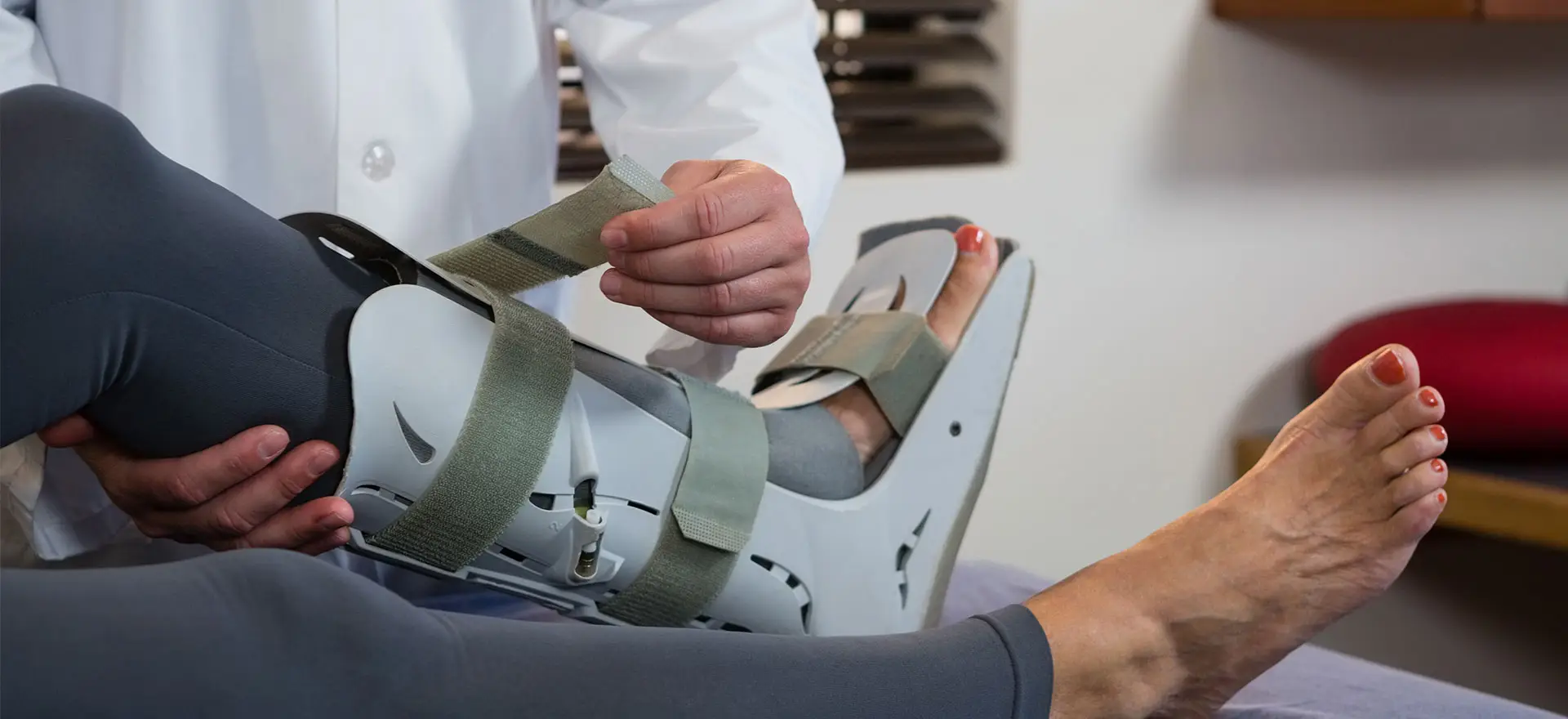
You care about cost. You should. Investing in structured orthopaedic education means trading those costs for something more useful. You gain diagnostic clarity, specialist communication, and recognized credentials that support the span of your career.
But staying at a generalist level has its own cost as well.
The cost of feeling exposed with every complex case.
The cost of struggling to communicate reasoning at a specialist level.
The costs of plateauing in a role that offers limited path to advancement.
The cost of being seen as interchangeable with any other chiropractor on the block.
Train in a graduate chiropractic orthopaedic program.
Separate fracture from sprain, contusion, or dislocation using a systematic examination.
Confidently decide between conservative managment, cast, splint or referral.
Interpret imaging from a framework (not a quick scan for anything obvious).
Document findings to satisfy insurers, legal review, and your own standard of care.
Screen for red flags, read basic plain films, and explain tissue healing to patients. Fracture care builds directly on your skill set (but with more detail).

This is applying an orthopaedic reasoning process.
Reach out today if you have any questions.